Digital Marketing · India
Digital Marketing for Service Businesses in India
A service-led framework for choosing search and social campaigns, preparing a useful local offer and handling calls, forms and WhatsApp conversations with clear next steps
Key takeaways
- Start with one clear service offer and the local areas the team can deliver
- Support the advertised language and contact method through to the human reply
- Judge campaigns by suitable enquiries and booked work rather than message volume
A service business does not need to reach everyone in India to build a useful marketing program. It needs to reach customers it can serve, explain a relevant offer and handle the resulting enquiries well. For a local company, the first decisions concern city coverage, job types, available staff and the next step a customer can realistically take.
Use this framework to connect your website, Google Ads, Meta Ads and enquiry handling. The right mix depends on the service and the business's records, rather than a fixed budget split or a promise of cheap leads.
Define one clear service offer
Choose a service that the team understands and can deliver consistently. Describe the customer problem, the work included, the main exclusions and how a quote or appointment is arranged. If several services need different information or different teams, give each a clear path on the website.
A broad offer such as “all home services” can create difficult enquiries unless the company has the capability to deliver it. A more specific page allows the customer to understand the scope before making contact. Where a price is published, state the currency and the work covered, and explain when an assessment is needed before confirming a final quote.
Make city coverage specific
List the localities, sectors, neighbourhoods or nearby towns the team can reach. Identify any areas that need a different appointment arrangement. Ask for enough location information to confirm the job address without forcing the customer through a long form before they understand the offer.
For an operation that travels to customers, coverage should describe the route it can deliver. For a business that welcomes customers to its premises, explain how visits are arranged. Google's business representation rules require accurate locations; creating a profile for an unstaffed virtual office does not establish a genuine branch.
Use the same coverage explanation in ads, landing pages and replies. Otherwise, staff may spend time correcting expectations that marketing created.
Give each channel a clear job
Think about the decision the customer is making. Someone searching for a named service may need proof that your company covers their area and can handle the task. Someone seeing an unfamiliar offer in a social feed may first need an explanation of the work and why it is relevant.
| Customer situation | Useful content | Outcome to review |
|---|---|---|
| Actively looking for a service | A specific service page with coverage and a clear enquiry route | Suitable requests and bookings |
| Discovering a service through social creative | A real demonstration, process explanation or relevant project | Conversations that match the advertised work |
| Comparing providers | Verifiable experience, scope details and the quote process | Progression to a useful estimate discussion |
These are planning hypotheses. Test them against your own enquiry records instead of assuming a platform always attracts a particular type of customer. Our Google Ads and Meta Ads guide explains how to compare the channels around service demand and buying decisions.
Match language with real response capacity
Use the language or languages your intended customers can understand and your staff can support. A multilingual advertisement should lead to a page and a conversation that continue the same promise. Ask a fluent person to check service terminology, scope and contact instructions before publishing translated copy.
Google's current language guidance explains how ad language and user understanding affect matching. Review the guidance for the campaign type rather than relying on an old setup checklist.
Keep the offer consistent across languages. If one version promises an immediate visit and another describes an assessment, the issue is an operational mismatch, not simply a translation detail.
Choose contact methods you can manage
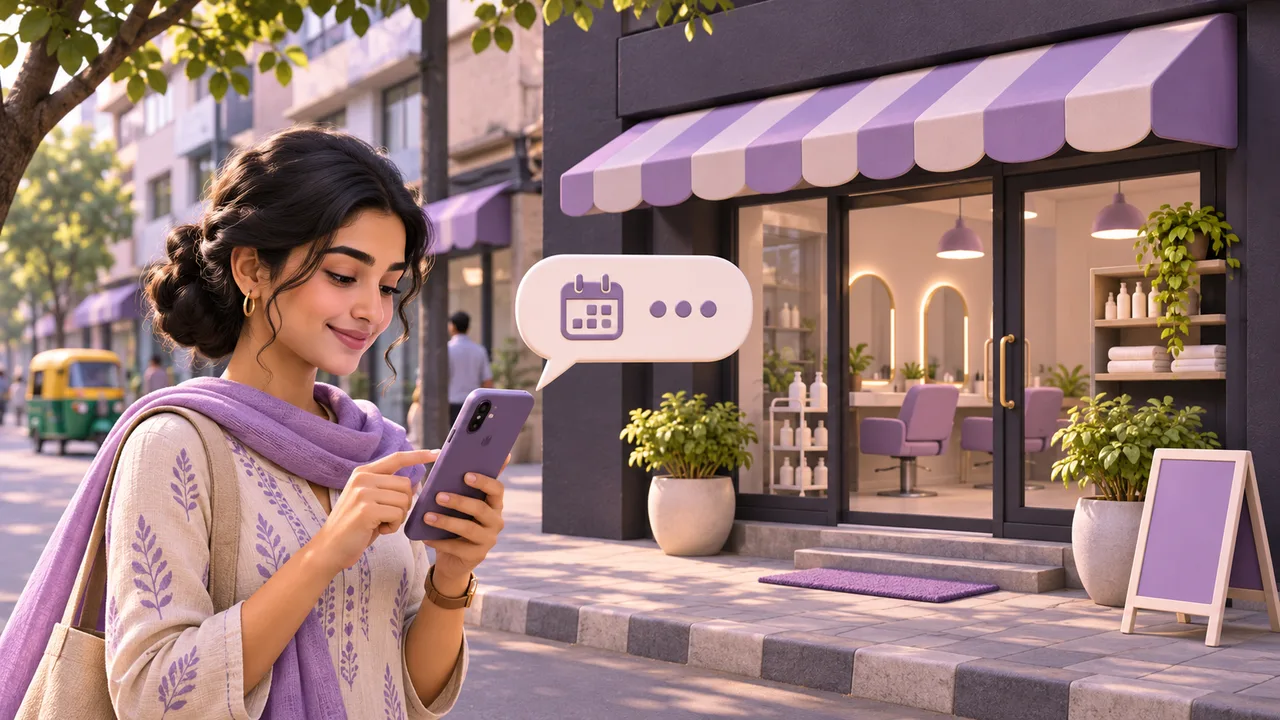
Calls, forms and WhatsApp can each provide a useful starting point when someone owns the reply. Meta documents ads that open WhatsApp conversations from Facebook or Instagram. The conversation still needs a practical process for establishing service fit and arranging the next step.
For a messaging route, prepare a short opening response asking what service is needed, where the work is located and when the customer hopes to proceed. Let staff adapt the conversation instead of repeatedly sending a generic brochure. State when someone will respond and offer an alternative contact route when appropriate.
Count a chat start separately from a qualified request. Several messages may relate to one customer, and an enquiry that cannot be served should have a clear reason in the record.
Make evidence specific to the work
Show original project photos and explain the task completed, with permission where needed. A useful example can describe the initial request, constraints, process and outcome without inventing a performance percentage. Keep testimonials faithful to what the customer actually said and identify context where it can be shared.
On the website, explain who operates the business and how a customer can reach the team. If you make a claim about specialist training, equipment or a guarantee, check the supporting details before using it across campaigns. Useful proof answers a buying question rather than adding an impressive but unverifiable badge.
A hypothetical cleaning service example
Imagine a cleaning company serving selected localities around Pune. It promotes a specific deep-cleaning service, explains the included work and uses a staffed messaging route to check property size, address and timing. If many conversations concern a service it does not offer, it can review the creative and page scope before increasing spend. This is a hypothetical planning example, not an Iscalify client result.
Use job outcomes to plan the next step
Review enquiries reached, requests qualified, estimates sent, bookings and completed work. Record reasons for losses and include available capacity in budget discussions. A low message cost does not establish whether advertising produces suitable work. The qualified lead and acquisition cost guide develops that measurement approach.
Explore Iscalify's India market page and service business marketing approach, alongside Google Ads and Meta Ads management, when building a brief around your service, geography and enquiry process.
Frequently asked questions
Should a local Indian service business advertise across the country?
Only when its delivery model supports that coverage. For a local team, define the cities and localities it can actually serve, including travel limits and appointment arrangements, before expanding advertising.
Are WhatsApp conversations the same as qualified leads?
No. A conversation is an initial contact. Qualification should establish the requested service, location, timing and whether the customer can take a relevant next step. Keep duplicate messages linked to the same enquiry.
Is Google Ads or Meta Ads better for a service business?
The answer depends on the service, customer decision and enquiry process. Test clear channel roles and compare suitable requests, bookings and completed work using consistent definitions instead of choosing from message cost alone.
Explore support for your business
Sources and further reading
- Google guidelines for representing a business
- Google Ads language guidance
- Meta ads that click to WhatsApp
Examples and planning frameworks are illustrative. Use your own customer and cost data when making decisions, and check the linked platform documentation as features change.
Plan your next practical step
Share your website, services and target market with the Iscalify team